- Ceramic coating
- Paint protection film (PPF)
- Paint correction first
What ceramic coating is
A ceramic coating is a liquid applied by hand to the paint. It bonds to the clear coat and hardens into a thin, clear, protective layer. Compared with bare paint, a coated surface is glossier and more water-repellent, and dirt, salt and grime have a harder time sticking to it.
What ceramic coating does
- Makes the vehicle much easier to wash: water beads and sheets off
- Adds depth and gloss to the paint
- Helps resist bird droppings, bug splatter, tree sap and road salt, giving you more time to wash them off
- Helps protect the paint from UV fading
What ceramic coating doesn't do
This is where a lot of people get oversold, so here it is straight:
- It doesn't make paint scratch-proof or chip-proof. For rock chips, look at paint protection film (below).
- It doesn't hide swirls or scratches. It locks in whatever is underneath, which is why paint correction comes first.
- It isn't maintenance-free. The vehicle still needs regular washing.
Preparation matters most
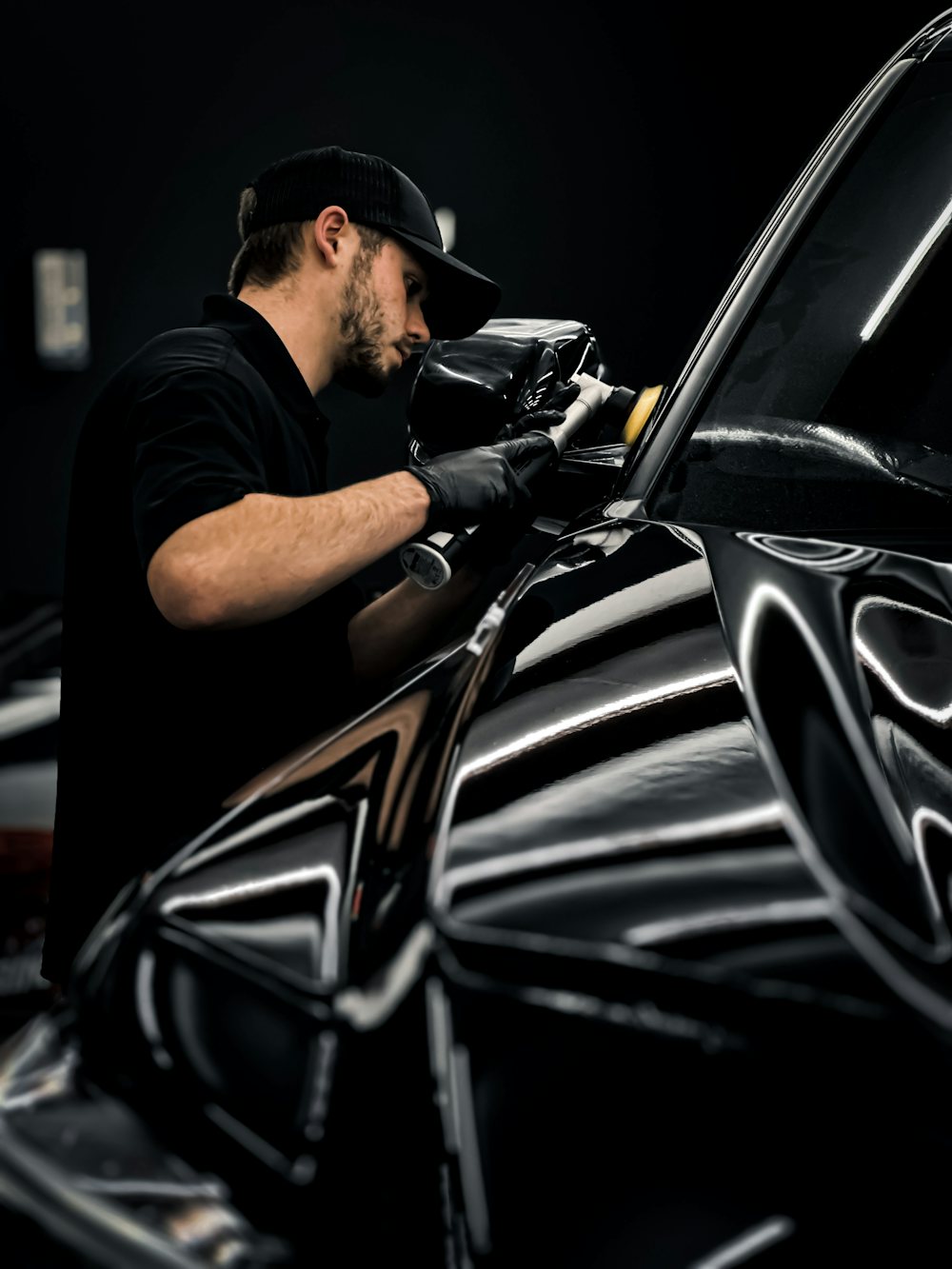
A coating is only as good as the surface it goes on. Before coating, the paint is washed, decontaminated with a clay bar, and usually polished or corrected to remove defects, then wiped down so the coating can bond to clean clear coat.
Looking after a coated vehicle
- Hand wash with a pH-neutral car shampoo and clean microfibre
- Avoid automatic car washes with brushes
- Rinse off road salt regularly in winter
- Dry with a clean microfibre towel or blower
How long a coating lasts depends on the product and on how the vehicle is driven, stored and washed. Ask us about the coatings we use when you call.
Ceramic coating vs. wax and sealant
Traditional wax sits on top of the paint and wears off relatively quickly. Synthetic sealants last longer than wax. A ceramic coating bonds to the clear coat and is designed to last considerably longer than either, with a harder, slicker surface. It also takes more preparation to apply properly.
Paint protection film (PPF)
Paint protection film is a clear, flexible urethane film applied over the paint. Where a coating is a thin chemical layer, PPF is a physical barrier with real thickness, so it can absorb rock chips and light scratches that would otherwise mark the paint.
It's most often applied to the areas that take the most abuse: the front bumper, hood, fenders and mirrors. On Edmonton roads, with gravel, construction and winter sand, that's where rock chips happen.
PPF and ceramic coating aren't either/or. Many owners put film on the high-impact areas and coat the rest of the vehicle, or coat over the film.